Dense by nature. Circular by design.
Ferrolith presses mill scale – the iron oxide that forms on hot-rolled steel – into high-density fillers for elevator counterweights. One filler replaces both concrete and steel.
The challenge
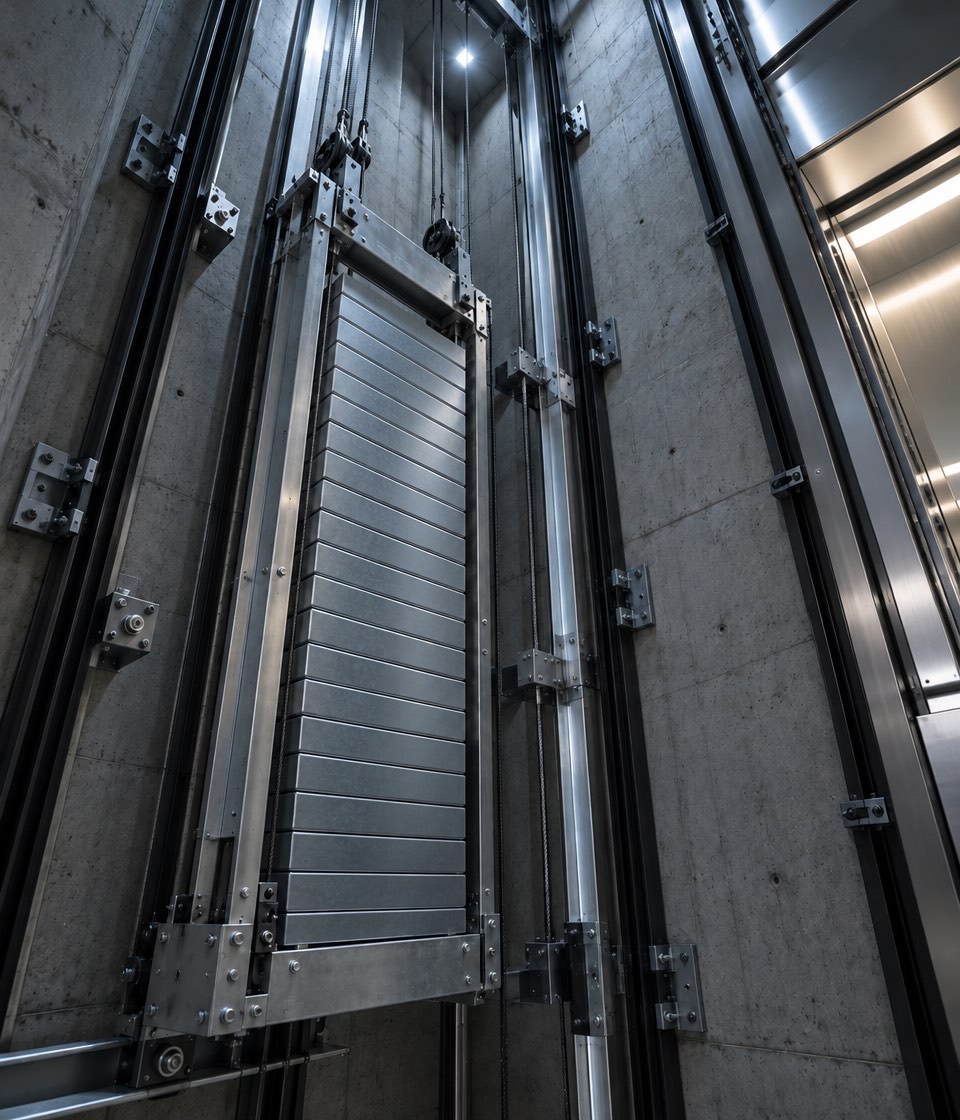
Counterweights need mass – in a fixed space.
Every traction elevator is balanced by a counterweight: a steel frame filled with ballast, often around a tonne of it. Concrete fillers are inexpensive but light, so steel fillers are added to reach the target mass. Steel is the costly, carbon-intensive part of the fill.
At 4.2 kg/L, Ferrolith is denser than a typical concrete–steel mix. The frame reaches its target mass with a single filler type.
Density of counterweight fillers, kg per litre
Mix: 35 % steel and 65 % concrete by mass, as an example.

Economic benefits
Less cost, fewer parts, no redesign.
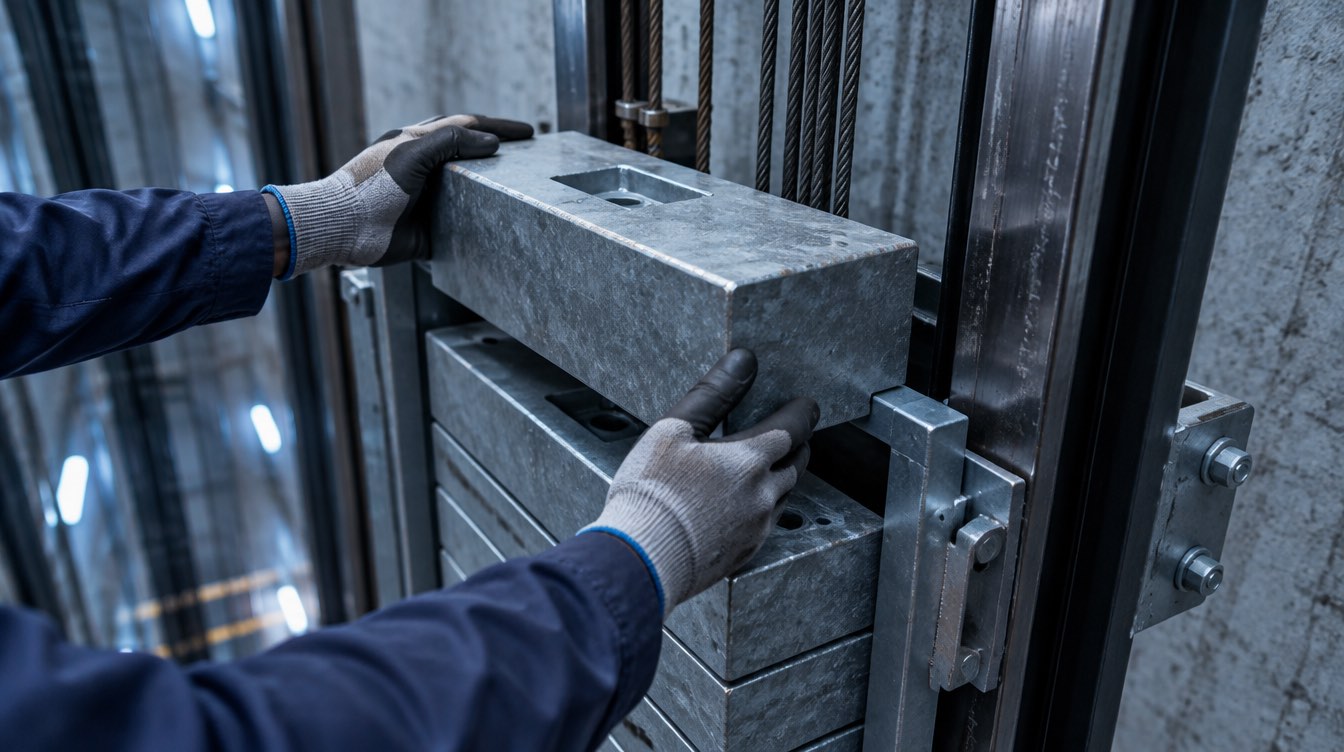
Ferrolith is built to drop into existing counterweights and to make the fill simpler and cheaper.
Lower filler cost
About 27 % below the usual combination of concrete and steel fillers, per tonne of ballast.*
One part instead of two
A single filler type means simpler purchasing, storage, logistics and installation.
Drop-in format
Made in the elevator maker's own filler format and shape, so frames and assembly stay as they are.
Steadier input costs
Based on a by-product instead of new steel, so less exposed to steel price cycles.
Lower carbon cost
Cuts Scope 3 emissions and the exposure to carbon pricing (EU ETS, CBAM) that comes with purchased steel.
Compact ballast
Denser than a concrete–steel mix: the same mass fits into the same frame, or into a smaller one.
Formats
Any shape your frame needs.
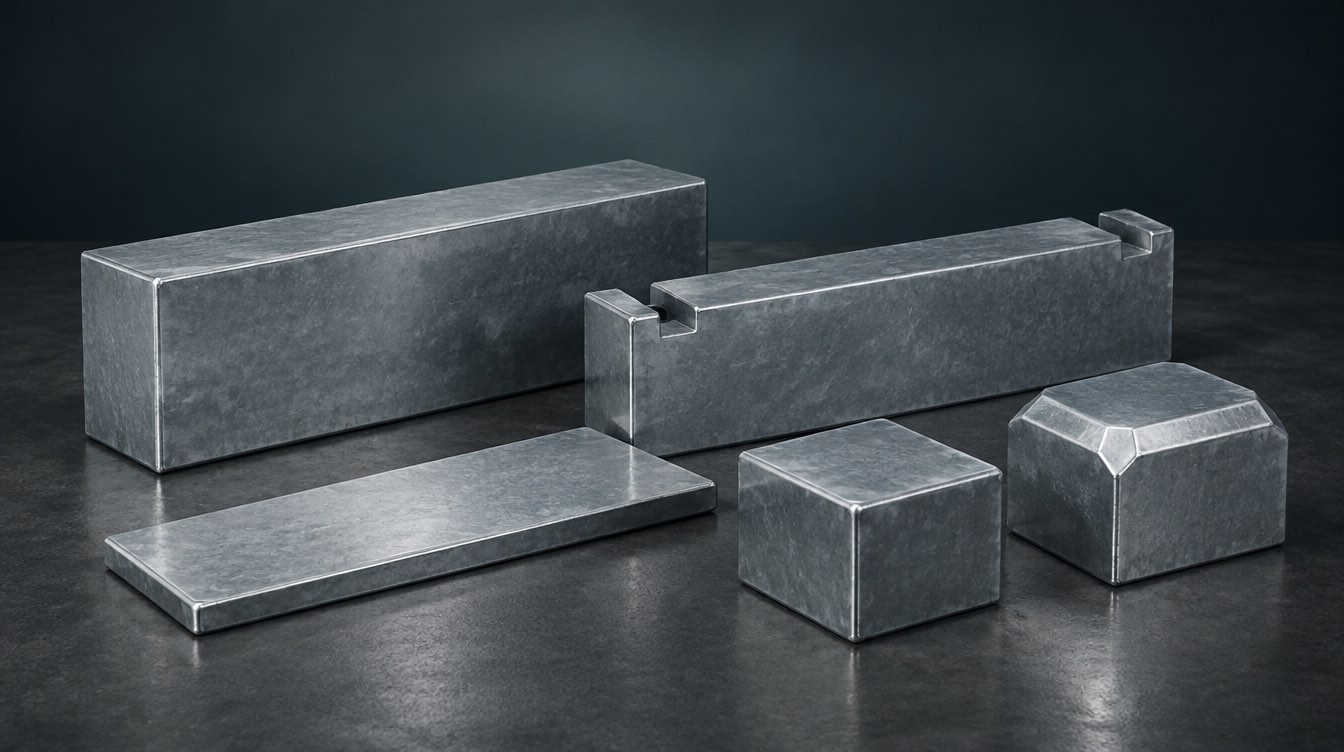
Ferrolith fillers are dense briquettes sealed in a welded steel shell, and the shell can be made in different shapes and sizes. The filler fits new counterweight designs and existing frames alike.
- Long blocks
- Notched or slotted ends
- Slim plates
- Short blocks
- Chamfered edges
- Custom lengths and heights
Shapes shown are examples. Tell us your frame and we will match it.
Ecological benefits
A by-product becomes the ballast.
Mill scale forms on every hot-rolled steel product. Ferrolith turns it into a durable product and takes new steel out of the counterweight.
kg CO2e per tonne of filler
-
Circular
Uses a low-value by-product of steel rolling. No virgin ore goes into the filling, and the only steel is a thin shell.
-
Pressed, not melted
The filler is formed mechanically, with no melting and no cement.
-
Back into the loop
At the end of the elevator's life, iron oxide and steel are both materials the steel industry already recycles.
-
Independent verification
An Environmental Product Declaration to ISO 14025 and EN 15804 is planned.
In use
Inside the buildings that move people.
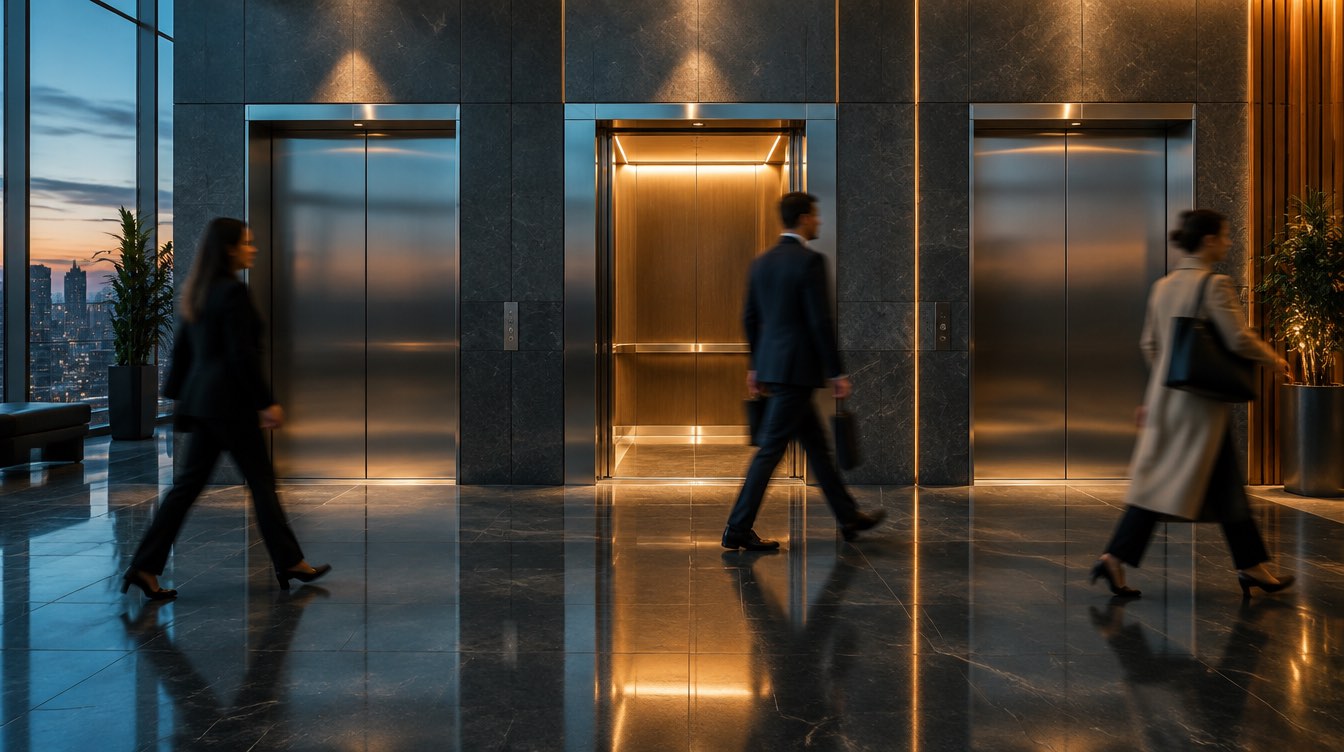
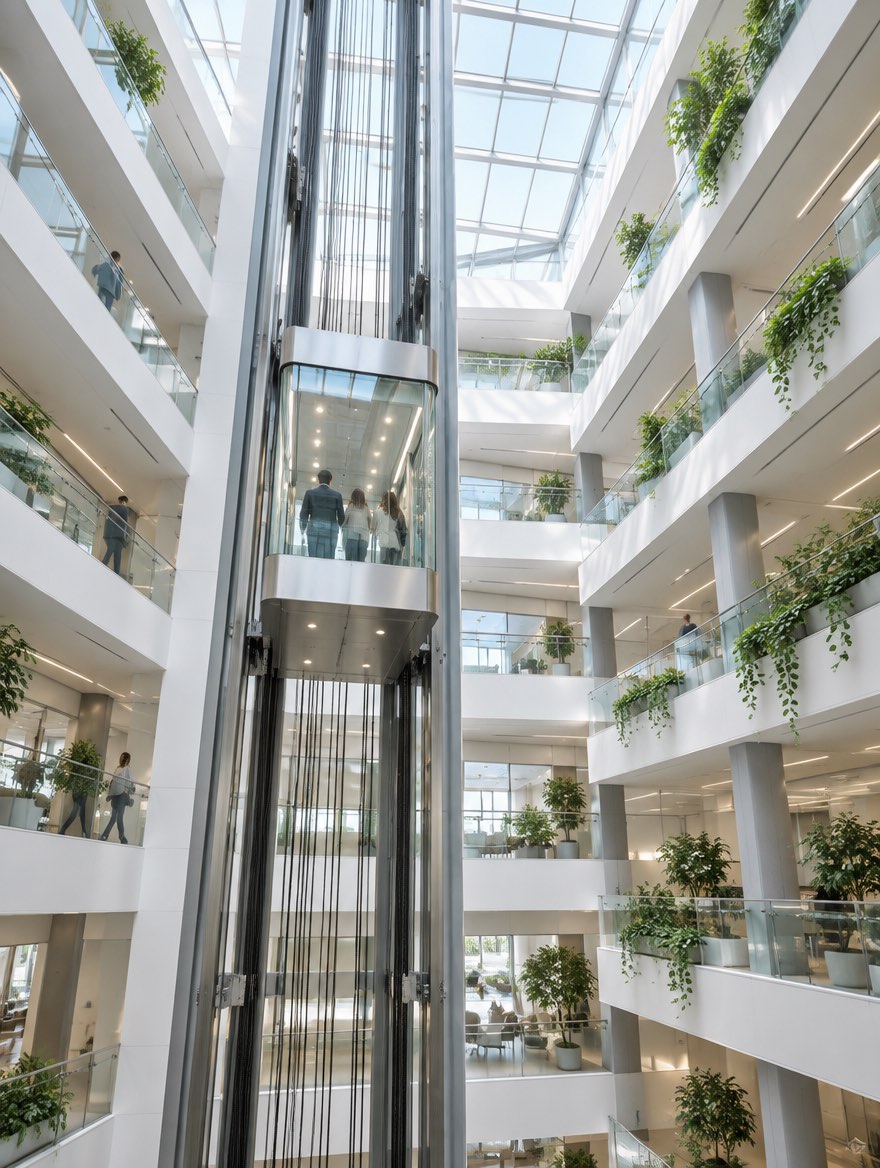
Every traction elevator, from a residential block to a glass atrium, runs with a counterweight. Each one is a place where a by-product can replace new steel.
From by-product to product
Three steps, one material loop.
Steel mill
Mill scale flakes off hot steel as it is rolled – a by-product of every rolling mill.
Ferrolith
We press it into dense briquettes and seal them in a welded steel shell.
Elevator
The filler balances the elevator for its whole service life.